Supporting Urogynecological Education, Research and Care around the World
International Urogynecology Journal Publishes White Paper on Chronic Maternal Pelvic Morbidity
A significant milestone for maternal health!
The International Urogynecology Journal has published the Open Access White Paper on “Chronic Maternal Pelvic Morbidity: A Neglected Tragedy, Where is Pelvic Maternal Morbidity in Maternal and Child Health?” developed by Aparna Hegde, Judith Goh, Rohna Kearney, Yu Hwee Tan, Cristiane Carboni, Karishma Thariani, Zelalem Mengistu, and Maria Giroux, with the FIUGA Board initiating and supporting the work.
This paper brings long-overdue visibility to a reality affecting one in four women globally. Maternal health must include long-term well-being.
Now is the time to advocate, raise awareness, and move this issue higher on the global health agenda.
STATEMENT: A Global Call to Action: Addressing Chronic Maternal Pelvic Morbidity
Millions of women around the world live with life-altering pelvic floor disorders (PFDs) resulting from childbirth trauma – conditions that are preventable, treatable, and yet routinely ignored. These conditions, including pelvic organ prolapse, urinary incontinence, fecal incontinence, perineal trauma and sexual dysfunction, constitute chronic maternal pelvic morbidity and affect an estimated one in four women globally.
We urge global leaders to act now!
About FIUGA
FIUGA’s goal is to address the critical gap in maternal healthcare following childbirth, particularly in low-and-middle-income countries (LMICs), where severe maternal morbidity affects 1 in 4 women. By providing specialty training, promoting awareness, and advocating for policy changes, FIUGA helps women with Pelvic Floor Disorders (PFDs) receive the care they deserve, empowering them to lead healthier lives.
FIUGA was founded and incorporated in 2013 in the United States as an independent tax-exempt charitable organization commissioned to support the charitable and academic activities of the International Urogynecological Association (IUGA).
Foundation Projects
-

The Amazon Project, Brazil
30-06-2026FIUGA completed its first Amazon Project Mission in Manaus, Brazil, from June 2 to 5, 2026, in collaboration with local universities, hospitals, and the Brazilian Continence Association B.C. Stuart. This initiative brought together international and Brazilian experts to expand access to women’s pelvic health care, strengthen local clinical capacity, and support sustainable urogynecological services in the Amazon region.
-
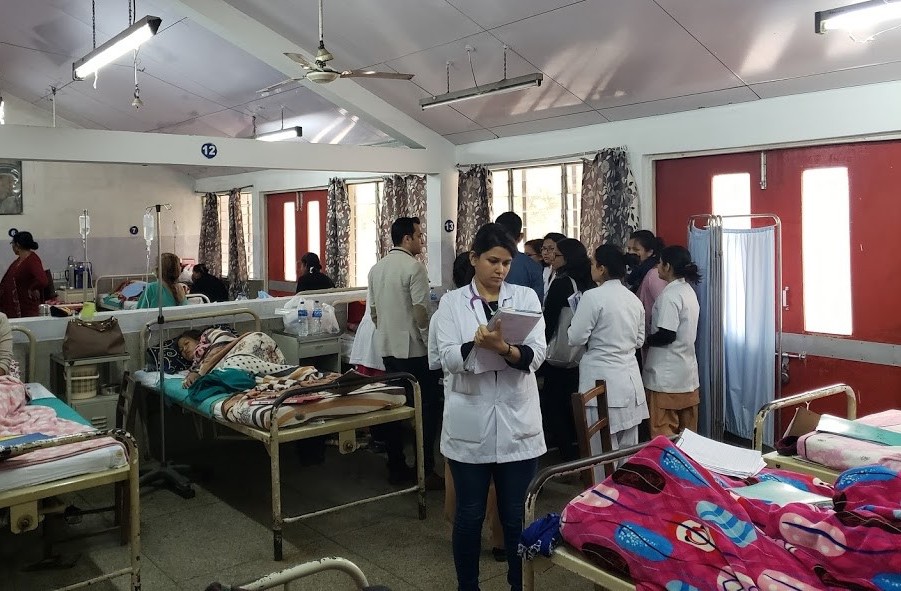
The Sri Lanka Project
19-06-2025FIUGA recently launched a hybrid training program in in Sri Lanka, collaborating with local medical societies, designed for mid-career obstetricians and gynecologists. This initiative aims to advance the global dissemination of urogynecological expertise and strengthen pelvic health care worldwide.
-

The Ghana Project
19-06-2025The foundation is proud to have successfully implemented its inaugural project, sponsoring the first postgraduate training program in urogynecology in Africa.
From Training to Impact
-

The FIUGA/IUGA support no doubt will go a long way to improve my career and also improve urogynaecological service delivery in Ghana
-

I was privileged to be taught by experienced faculty members from different parts of the world. The training involved both theory and practical surgical skills. The on-site training was a very good addition to the training received from local faculty.
Join in
-

Call to Action: Pelvic Health is Maternal Health
Too many women silently suffer from pelvic floor disorders after childbirth, while maternal health programs often overlook these long-term effects. FIUGA urges health leaders to recognize chronic maternal pelvic morbidity and make pelvic floor care an essential part of comprehensive maternal health. Read our statement and join.
-

Annual Fun Walk & Run
Join us at our FIUGA Fun Walk/Run in 2026 during the 51st IUGA Annual Meeting in Rio de Janeiro, Brazil to support Pelvic Floor Disorders education and research.
-

Honor Your Mentor
17-07-2025Mentorship is a cornerstone of FIUGA’s mission. The Honor Your Mentor program allows members to meaningfully recognize the mentors who shaped their careers, while supporting FIUGA’s commitment to advancing global education in urogynecology and improving the quality of life for women with pelvic floor problems.
Empower Through Giving
-

#GivingTuesday
27-06-2025What originated as a day to do good has become a global movement that inspires generosity. By joining this initiative, you help advance education and care in urogynecology, improving pelvic health for women worldwide. Together, we can make a meaningful impact.
-

Donate To A Great Cause
Join us in transforming women’s health across the globe by supporting education and access where it is needed most. Your donation powers our International Assistance Programs that bring specialized urogynecological care and expertise to underserved regions. The Foundation for International Urogynecological Assistance (FIUGA) is a registered charity in the U.S.